Energy Efficiency Assessments advisory in Singapore

Energy costs continue to rise. Regulatory expectations are becoming more structured. Carbon pricing mechanisms are influencing operational decisions across sectors. In Singapore, energy performance is no longer just an engineering concern. It directly affects cost structure, compliance exposure, and long-term competitiveness.

EcoSphere Sustainability Solutions Pte. Ltd. provides structured Energy Efficiency & Audit advisory services in Singapore. Our approach connects operational diagnostics, regulatory alignment, and measurable cost optimisation. The objective is clear: reduce energy intensity, lower operational expenditure, and strengthen sustainability performance without disrupting business continuity.

Contact us today to schedule a professional energy assessment in Singapore.

Book Your Consultation: +60 11 6768 5759
Energy Efficiency & Assessments advisory in Singapore

Why energy performance deserves attention

Energy consumption has a direct impact on the profitability of industries such as manufacturing plants, power plants, petrochemical facilities, commercial buildings, utilities, and real estate developments.. At the same time, there have been changes in regulatory requirements in the context of Singapore’s energy and sustainability landscape. Energy performance today affects:

  • Operating cost stability
  • Carbon tax exposure
  • Regulatory reporting under the Energy Conservation Act
  • Building asset value
  • Corporate decarbonisation targets

A structured audit brings clarity. It shows where energy is being used, where it is being wasted, and where improvements make financial sense.

Call For Consultation: +60 11 6768 5759
Why energy performance deserves attention

Our approach to energy audits

We do not start with assumptions. We start with data. Utility bill review. Load analysis. On-site system inspection. Conversations with facility teams. Sometimes the most valuable insights come from the technician who has maintained the system for 10 years.

Energy audit & performance review

We assess overall energy consumption patterns and benchmark performance against similar operations in Singapore. This includes:

  • Detailed energy consumption mapping
  • Demand profile review
  • Major equipment performance evaluation
  • Identification of peak load drivers
Talk to Our Consultant: +60 11 6768 5759
Our approach to energy audits

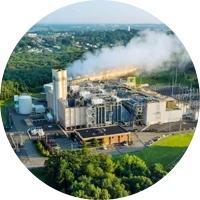
Energy efficiency assessments for power plants in Singapore

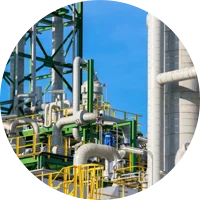
Manufacturing and heavy energy facilities such as power plants, petrochemical sites, and industrial utilities often have complex energy flows that require deeper system-level optimisation. A small inefficiency in one system can increase cost across the entire plant. We review:

  • Boiler and steam systems
  • Compressed air networks
  • Motor and drive efficiency
  • Waste heat recovery potential
  • Electrical distribution performance

In many cases, improvements do not require major capital expenditure. Sometimes it is calibration. Sometimes sequencing. Sometimes, replacing one inefficient component that has been overlooked for years.

Call For More Info: +60 11 6768 5759

Building energy efficiency

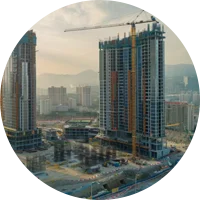
Commercial properties face a different challenge. Tenant expectations, indoor comfort, and energy control must coexist. We look at:

  • HVAC system efficiency
  • Chiller plant optimisation
  • Lighting upgrades
  • Building management system settings
  • Operational scheduling

In Singapore’s high-humidity environment, cooling loads are constant. Proper chiller tuning alone can generate meaningful savings. We have seen buildings reduce consumption simply by adjusting control logic and balancing airflow.

Call For More Info: +60 11 6768 5759
Building energy efficiency

ISO 50001 energy management support

An audit is useful. But without follow-up, performance slips. We support organisations in building structured energy management systems aligned with ISO 50001 principles. This means:

  • Clear internal accountability
  • Defined energy performance indicators
  • Continuous monitoring
  • Documented improvement cycles

When energy management becomes part of governance, improvements last longer.

Call For More Info: +60 11 6768 5759
energy management support

Renewable and electrification advisory

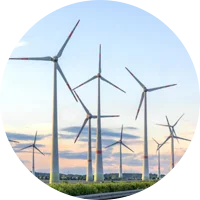
Solar installations on factory rooftops in Tuas are becoming more common. Electrification of certain processes is gaining attention. But renewables should follow efficiency. Reducing demand first makes integration more financially viable. We assess feasibility, return on investment, and operational impact before recommending next steps.

Schedule Energy Audit

Industries we support in Singapore

Energy challenges vary. A petrochemical facility does not operate like a commercial office. A palm oil processor faces different load patterns compared to a mixed-use building in Marina Bay. We work with:

Manufacturing and Industrial
Energy and Power Plant
Banking and Financial Institutions
Oil and Gas
Oil and Gas
Real Estate and Infrastructure
Technology and Telecommunications
Pharmaceutical Industry
Maritime and Shipping

How we typically work

We begin with a preliminary discussion. Understanding your facility, energy profile, and operational challenges. Then:

01
Data review and benchmarking
02
On-site technical assessment
03
System-level analysis
04
Financial modelling of improvement options
05
Prioritised action roadmap
06
Implementation guidance

Some clients move quickly. Others phase improvements over time. Both approaches work, as long as the direction is clear.

Why organisations work with us

EcoSphere Sustainability Solutions Pte. Ltd. is one of the leading advisory firms in Singapore. We have the technical carbon expertise, combined with our understanding of the regulatory environment of Singapore. Recommendations are practical, cost-conscious, and aligned with broader sustainability commitments.

  • Local regulatory expertise
  • Science-based carbon methodologies
  • Structured documentation and reporting
  • Industry-specific transition planning
  • Carbon tax exposure analysis
  • Verification and audit readiness
Call For Consultation: +60 11 6768 5759
Why organisations work with us

Thinking about your next step?

Energy costs in Singapore are unlikely to remain stable forever. Climate regulations will continue to evolve. Investors increasingly expect operational discipline.

If your facility has not undergone a structured energy review in the past few years, our advisory team is ready to support you. Start with one assessment. See where the numbers lead.

Get Your
Free Consultation

FAQs about energy efficiency & audits

What is an energy audit in practical terms?

It is a structured evaluation of how energy flows through your facility. We identify inefficiencies, quantify potential savings, and recommend practical improvements.

Is an energy audit mandatory in Singapore?

Certain large energy users must report under the Energy Conservation Act. Even where not legally required, many organisations conduct audits voluntarily to manage costs and prepare for future regulations.

How long does the process take?

Smaller facilities may require several weeks. Larger industrial operations take longer due to system complexity and data review requirements.

Should we install solar panels first?

Efficiency typically comes first. Reduce demand. Optimise systems. Then evaluate renewable integration based on actual performance data.

How much savings can we realistically expect?

It depends on current performance. Some facilities achieve incremental savings. Others uncover significant optimisation opportunities, especially where systems have not been reviewed in years.

How does energy efficiency support decarbonisation?

Reducing energy consumption lowers indirect emissions associated with electricity use and may reduce direct fuel consumption. Energy efficiency is often the most cost-effective step in a broader carbon reduction strategy.

Top