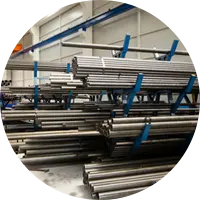
CBAM advisory service in Singapore

The European Union is planning to launch the "Carbon Border Adjustment Mechanism" to address the problem of "carbon leakage" while maintaining the "level playing field" for carbon pricing of imported goods. This new legislation would mean additional reporting requirements for manufacturers in Singapore who export their goods to the EU, which may also attract carbon costs.

CBAM requires companies to calculate embedded emissions, gather verified data from suppliers, and submit structured quarterly reports. EcoSphere Sustainability Solutions Pte. Ltd. provides CBAM advisory services in Singapore. We help manufacturers understand the regulations, prepare accurate emission calculations, and build a practical compliance strategy.

Contact us today to receive an advisory in Singapore. We help organisations by clearly measuring emissions, defining practical reduction pathways, and building realistic net-zero roadmaps aligned with business objectives.

Book a Consultation

CBAM advisory service in Singapore

Why CBAM matters for Singapore exporters

Singapore plays an important role in global manufacturing and trade. Many companies rely on EU markets for industrial products and intermediate goods. With CBAM, EU importers must report the carbon emissions embedded in imported goods. Without proper preparation, companies may encounter several risks:

  • Delays in EU shipments due to incomplete emissions data
  • Increased compliance burden from complex reporting rules
  • Carbon cost exposure affecting export pricing
  • Pressure from EU buyers requesting verified emission data
  • Supply chain disruptions if the emissions information cannot be validated
Call For Consultation: +60 11 6768 5759
Why CBAM matters for Singapore exporters

Our CBAM advisory services in Singapore

We provide structured support to help organisations navigate CBAM requirements from initial readiness assessment to long-term compliance planning.

CBAM readiness assessment

CBAM readiness assessment

Assess whether your exported products are within scope for CBAM and determine your ability to calculate embedded emissions and identify any data gaps in relation to EU reporting requirements.

Embedded emissions calculation

Embedded emissions calculation

Calculate direct and indirect emissions embedded in exported goods using recognised carbon accounting methods, ensuring reliable data aligned with EU CBAM reporting expectations.

Data collection from suppliers

Data collection from suppliers

Design systems to collect emissions information from suppliers, thus improving value chain transparency as well as the risk of default emission values that could impact carbon costs.

Quarterly CBAM reporting

Quarterly CBAM reporting

Prepare and review quarterly CBAM emissions reports for EU exports, ensuring accurate documentation, compliant reporting formats, and reduced administrative burden for internal teams.

CBAM compliance strategy

CBAM compliance strategy

Build a practical compliance framework that integrates emissions monitoring, governance processes, and reporting procedures, helping organisations manage CBAM obligations consistently across operations.

Carbon cost impact analysis

Carbon cost impact analysis

Assess potential financial exposure under CBAM carbon pricing scenarios and understand how emissions levels could influence export margins, pricing strategy, and long-term EU competitiveness.

Industries we support in Singapore

CBAM currently applies to several carbon-intensive sectors. Our advisory services support organisations exporting goods that fall within the EU’s regulated categories. Our advisory approach reflects these operational differences while maintaining alignment with CBAM calculation guidelines. We support:

Steel and iron manufacturing
Aluminium production
Cement and construction materials
Fertiliser manufacturing
Energy-intensive industrial production
Hydrogen and related chemical sectors

Understanding CBAM regulatory requirements

The EU's CBAM framework is designed to work in conjunction with the EU Emissions Trading System (EU ETS) by effectively carbon-pricing incoming products. During the transitional phase, exporters must report emissions without paying carbon costs. However, once the financial phase begins, importers will need to purchase CBAM certificates based on the reported emissions. Requirements for CBAM:

  • Calculating embedded emissions in exported products
  • Providing emissions data to EU importers
  • Supporting importers with quarterly reporting obligations
  • Maintaining accurate documentation and calculation methodologies
Talk to Our Consultant: +60 11 6768 5759
Understanding CBAM regulatory requirements

Our structured CBAM advisory approach

Our approach combines regulatory interpretation, emissions accounting, and supply-chain data management to ensure that organisations remain compliant while maintaining export competitiveness. Our advisory model is structured as follows:

01
Initial CBAM exposure assessment
02
Product scope identification
03
Embedded emissions calculation modelling
04
Supplier data collection framework development
05
Quarterly reporting support
06
Carbon cost risk analysis
07
Ongoing compliance and monitoring support

Why choose us for CBAM advisory in Singapore

CBAM combines regulatory complexity with technical carbon accounting requirements. Organisations need advisory support that understands both policy frameworks and operational realities. EcoSphere Sustainability Solutions Pte. Ltd. provides practical CBAM guidance customized for manufacturers and exporters operating in Singapore. Our advisory approach focuses on:

  • Regulatory expertise in EU carbon policies
  • Structured emissions accounting methodologies
  • Supply chain data management frameworks
  • Carbon cost exposure analysis
  • Audit-ready documentation and reporting
  • Industry-specific implementation support
Contact Us Today

Prepare your organisation for CBAM compliance

The CBAM transition phase provides companies with a limited window to prepare their emissions data and reporting systems. Organizations that act early will gain several advantages: clearer emission visibility, stronger relationships with EU buyers, and improved ability to manage potential carbon costs.

If your company exports CBAM-covered products to the EU, our advisory team can help you develop a structured compliance strategy tailored to your operations.

Get Your
Free Consultation

FAQs about CBAM for Singapore exporters

What is the Carbon Border Adjustment Mechanism (CBAM)?

CBAM is a European Union policy that aims to ensure that all foreign products have the same carbon price for carbon as products produced in the EU. This is ensured through the emissions trading system.

Which industries are affected by CBAM?

CBAM initially applies to sectors with high carbon intensity, including steel, aluminum, cement, fertilizers, electricity, and hydrogen. These sectors are considered most exposed to carbon leakage.

Do Singapore exporters need to submit CBAM reports?

During the transitional phase, the reporting obligation primarily falls on EU importers. However, exporters must provide accurate emissions data so that importers can complete the required reports.

What are embedded emissions under CBAM?

Embedded emissions refer to the greenhouse gas emissions generated during the production of goods. These emissions must be calculated and reported when products are exported to the EU under CBAM rules.

When will CBAM start applying financial costs?

The financial phase of CBAM is expected to begin in 2026. At that stage, EU importers will need to purchase CBAM certificates corresponding to the emissions embedded in imported goods.

How can companies prepare for CBAM compliance?

Preparation typically involves identifying affected products, calculating embedded emissions, establishing supplier data collection systems, and preparing structured reporting documentation.

Does CBAM affect supply chains?

Yes. Because emissions data often comes from upstream production processes, companies must work closely with suppliers to gather accurate information and ensure reliable reporting.

Top