Carbon trading program in Singapore

Carbon trading program in Singapore Businesses around the world are under increasing pressure to reduce carbon emissions and demonstrate environmental responsibility. A carbon trading program provides an effective market-based mechanism that allows organizations to reduce emissions while maintaining operational flexibility.

EcoSphere Sustainability Solutions Pte. Ltd. emphasizes clarity, risk control, and measurable outcomes, not theoretical reports that sit on a shelf. Our Carbon Trading Program in Singapore helps businesses manage carbon credits, offsets, and compliance exposure in a practical and commercially sound way.

Request Carbon Advisory Consultation
Carbon trading program in Singapore

Why does carbon credit consultation matter in Singapore businesses?

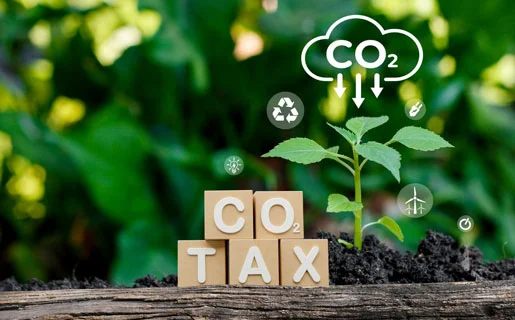
Singapore introduced a national carbon tax and has progressively increased the rate to encourage decarbonization. At the same time, multinational buyers, EU import regulations, and sustainability reporting standards are reshaping supply chains.

  • Manage carbon tax liabilities
  • Support voluntary net-zero targets
  • Meet investor expectations
  • Prepare for cross-border carbon mechanisms
  • Strengthen ESG disclosures
Call For Consultation: +60 11 6768 5759
carbon credit consultation Singapore

Our carbon trading advisory services in Singapore

Carbon trading does not work in isolation. It must connect with measurement, reporting, compliance, and long-term transition planning. We design and manage a carbon trading framework tailored to your operational footprint and risk profile.

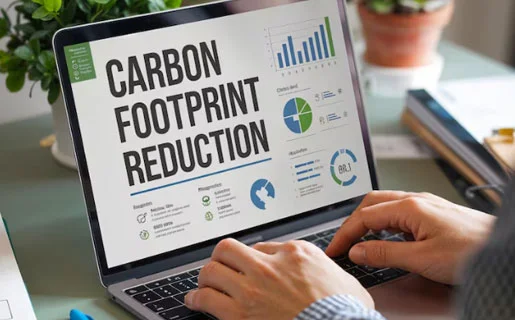
Carbon footprint measurement & GHG inventory

Carbon footprint measurement & GHG inventory

We calculate Scope 1, Scope 2, and relevant Scope 3 emissions using recognised methodologies. This includes data mapping, boundary setting & documentation.

Carbon tax advisory & compliance support

Carbon tax advisory & compliance support

Singapore’s carbon tax framework requires careful tracking of taxable emissions and reporting obligations. We help businesses assess tax exposure & reduce the risk of reporting errors.

Carbon credit sourcing & due diligence

Carbon credit sourcing & due diligence

The voluntary carbon market is expanding day by day, but quality varies significantly. We support the identification of credible credit projects, risk evaluations, and integrity.

Net-zero strategy & transition planning

Net-zero strategy & transition planning

Carbon offsets should not replace emission reduction. We design realistic transition plans that prioritise operational improvements first. This includes energy optimisation, process upgrades & supply chain engagement.

ESG & sustainability reporting alignment

ESG & sustainability reporting alignment

Carbon trading activities must align with sustainability disclosures. We help integrate carbon credit data into annual sustainability reports, investor disclosures, and internal governance documentation.

Climate risk & scenario analysis

Climate risk & scenario analysis

Carbon markets are greatly influenced by regulation, pricing shifts, and international trade mechanisms. We conduct structured scenario analysis to assess price volatility risk and strategic exposure across operations.

Benefits of a structured carbon credit consultant in Singapore

A disciplined program turns carbon from a compliance burden into a managed financial variable. We structure the program around measurable business outcomes.

  • Predictable carbon cost management
  • Reduced regulatory exposure
  • Stronger investor confidence
  • Improved ESG disclosure credibility
  • Enhanced brand reputation
  • Strategic positioning in regional carbon markets
Contact ESG Team
Benefits of a structured carbon credit consultant in
                    Singapore

Industries we support: I-REC consultant Singapore

If your business organisation operates in Singapore and reports emissions, a structured carbon trading strategy should form part of your risk management framework. Our services are suitable for:

  • Manufacturing and industrial facilities
  • Energy-intensive operations
  • Real estate developers and REITs
  • Logistics and transport providers
  • Financial institutions managing financed emissions
  • Companies with public net-zero commitments
Call For More Info: +60 11 6768 5759
I-REC consultant Singapore

Our step-by-step advisory approach for the carbon offset strategy in Singapore

We follow a disciplined process that combines regulatory awareness, market intelligence, and financial analysis.

01
Emissions & exposure assessment
02
Strategic planning
03
Market analysis & credit screening
04
Transaction & documentation support
05
Monitoring & reporting integration

Why choose EcoSphere Sustainability Solutions Pte. Ltd. for a carbon trading advisory in Singapore?

EcoSphere Sustainability Solutions Pte. Ltd. is the leading carbon trading consultancy firm in Singapore. We focus on clarity, compliance, and measurable results. Our work is grounded in regulatory knowledge and market reality.

  • Strong understanding of Singapore’s carbon tax landscape
  • Practical, commercially focused advisory
  • Structured risk assessment approach
  • Independent, objective credit evaluations
  • Integration with broader ESG and net-zero strategy
Start Carbon Credit Trading: +60 11 6768 5759
Why choose EcoSphere for carbon trading advisory in
                    Singapore

Start your carbon trading program with us

If your organisation operates in Singapore and needs guidance on carbon credits and offset strategy, contact EcoSphere Sustainability Solutions Pte Limited. Early preparation helps reduce cost and reputational risks.

Get Your
Free Consultation

FAQs about the carbon trading program

What is a carbon trading program?

A carbon trading program allows companies to buy and use verified carbon credits to offset emissions. It supports carbon tax management and voluntary net-zero goals. It must follow regulatory limits and recognised standards. A structured program ensures proper documentation and risk control.

How does carbon trading work?

Companies first measure their greenhouse gas emissions. If eligible, they may purchase approved carbon credits to offset part of their carbon tax liability. Voluntary credits can also support sustainability targets. Proper verification and registry tracking are essential.

Is carbon trading mandatory in Singapore?

Carbon trading itself is not mandatory. However, large emitters are subject to a carbon tax and may use eligible international credits within allowed limits. A lot of companies also participate voluntarily to meet ESG or net-zero commitments.

What is the current carbon tax rate in Singapore?

Singapore has progressively increased its carbon tax rate to encourage emission reduction. The rate is scheduled to rise in stages over the coming years. Businesses should monitor policy updates and assess long-term cost impact early.

Who needs a carbon trading strategy?

Manufacturing plants, energy-intensive facilities, data centers, and logistics firms, as well as real estate portfolios, often require a structured strategy. Financial institutions with financed emissions exposure may also need one.

Are all carbon credits acceptable for use in Singapore?

No, only credits that meet regulatory and quality criteria can be used for compliance purposes. Every credit must be verified under recognised standards & listed in approved registries. Due diligence reduces regulatory and reputational risk.

What is the difference between compliance and voluntary carbon markets?

The compliance market relates to regulated carbon tax obligations. The voluntary market allows companies to offset emissions beyond legal requirements. Both require credible project verification. The purpose and risk profile differ between the two.

How do companies avoid greenwashing in carbon trading?

They must conduct proper due diligence before purchasing credits. This incorporates reviewing project documentation, additionality claims, permanence risks, and registry records. Transparent reporting and board oversight also strengthen credibility.

Can SMEs in Singapore participate in carbon trading?

Yes. Even if not directly subject to the carbon tax, SMEs may buy voluntary credits to support sustainability goals. Some clients and investors increasingly expect this. A measured approach prevents unnecessary spending.

How often should a carbon trading strategy be reviewed?

At least once a year, or when regulatory changes occur. Carbon prices, policy frameworks, and reporting standards evolve. Regular review helps manage cost exposure substantially.

Top