Sustainability & ESG consulting in Malaysia

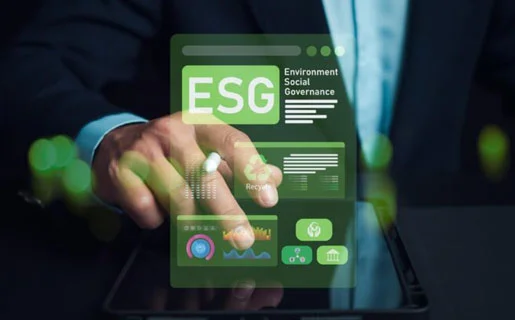
Businesses across Malaysia are increasingly focusing on sustainability, responsible governance, and long-term environmental impact. Companies that adopt strong Environmental, Social, and Governance (ESG) strategies not only improve their brand reputation but also gain advantages in investor confidence and regulatory compliance.

EcoSphere Sustainability Solutions Sdn. Bhd. offers sustainability & ESG consulting services in Malaysia. We work with practical steps, not abstract theory. From ESG strategy development to reporting support and climate risk alignment, we guide Malaysian businesses toward measurable and compliant outcomes.

Get ESG Consultation

Sustainability & ESG consulting in Malaysia

Why does sustainability consulting matter in Malaysian businesses?

Sustainability is no longer a branding exercise. It affects financing, investor confidence, procurement eligibility, and regulatory compliance. Without a structured ESG approach, reporting becomes reactive. Data becomes fragmented. Risks remain unmanaged. Companies must align with:

  • Bursa Malaysia Sustainability Reporting necessities
  • Malaysian Code on Corporate Governance (MCCG)
  • Climate-related disclosure expectations (TCFD-aligned practices)
  • Bank Negara Malaysia climate risk guidance (for financial institutions)
  • Global standards such as IFRS S1 and S2

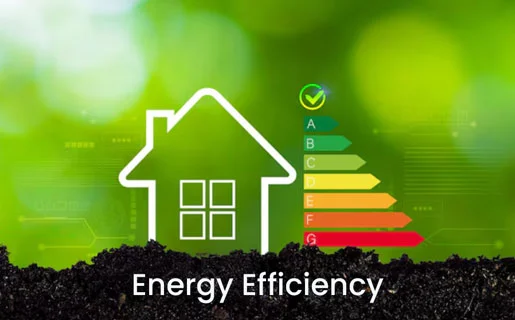
A structured audit brings clarity. It shows where energy is being used, where it is being wasted, and where improvements make financial sense.

Call For Consultation: +60 11 6768 5759
Why does sustainability consulting matter in Malaysian
                    businesses

Our sustainability & ESG consulting services in Malaysia

EcoSphere Sustainability Solutions Sdn. Bhd. is a reliable sustainability and decarbonization consultancy firm in Malaysia. We offer comprehensive ESG advisory services designed to help businesses build sustainable and future-ready operations.

ESG Strategy & Reporting Advisory in Singapore
ESG Strategy & Reporting Advisory Icon

Build a Structured ESG Strategy and Clear Roadmap for Long-Term Business Growth

GHG, carbon & net zero advisory in Singapore
GHG, carbon & net zero advisory Icon

Measure Your Carbon Emissions and Develop a Practical Net Zero Strategy

Decarbonization plan in Singapore
Decarbonization plan Icon

Create a Cost-Effective Decarbonization Plan Aligned with Your Business Goals

Energy efficiency & efficiency Assessment in Singapore
EEnergy efficiency & energy Ass Icon

Improve Energy Performance and Reduce Operational Costs Through Detailed Audits

LCA, EPD & product sustainability
                                    advisory
LCA, EPD & product sustainability
                                    advisory Icon

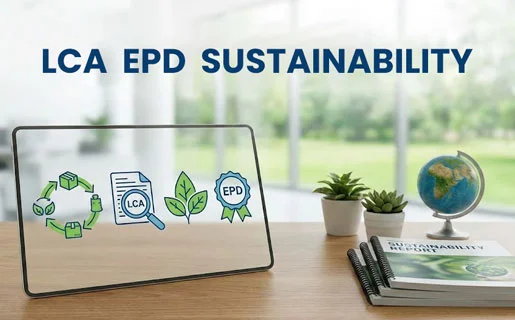
Strengthen Product Sustainability with Verified LCA and EPD Support

Green building & built environment
                                    advisory
Green building & built environment
                                    advisory Icon

Develop High-Performance Green Buildings with Low-Carbon Design Strategies

Circular economy, waste & packaging
                                    advisory
Circular economy, waste & packaging
                                    advisory Icon

Implement Circular Economy Strategies to Reduce Waste and Improve Resource Efficiency

Supply chain ESG advisory
Supply chain ESG advisory Icon

Enhance Supply Chain Transparency with Structured ESG Risk Management

Carbon trading program
Carbon trading program Icon

Optimize Carbon Credits, Offsets, and Tax Exposure with Strategic Advisory

CBAM advisory
CBAM Icon

Prepare Your Business for CBAM Compliance with Expert Advisory Support

Social compliance programs advisory
Social compliance programs advisory Icon

Strengthen Ethical Practices and Meet Global Social Compliance Standards

Previous Icon
Next Icon

Industries we support in decarbonization consulting

Each industry faces different exposure levels. We tailor our advisory accordingly. Below are some common sectors we work with:

  • Public listed companies
  • Financial institutions
  • Manufacturing firms
  • Property developers
  • Energy companies
  • Logistics providers
  • Construction firms
  • Multinational corporations operating in Malaysia

A structured audit brings clarity. It shows where energy is being used, where it is being wasted, and where improvements make financial sense.

Contact For More Info
Why does sustainability consulting matter in Malaysian
                    businesses

Why choose EcoSphere Sustainability Solutions Sdn. Bhd. for net zero consulting?

EcoSphere Sustainability Solutions Sdn. Bhd. is the leading sustainability and ESG advisory firm in Malaysia. We focus on long-term business stability, not short-term reporting optics.

A structured audit brings clarity. It shows where energy is being used, where it is being wasted, and where improvements make financial sense.

Talk To Our Expert: +60 11 6768 5759

Start your ESG journey in Malaysia with us

Sustainability requires planning as well as discipline. If your organization operates in Malaysia and needs structured ESG advisory, reporting support, or carbon strategy development, EcoSphere Sustainability Solutions Sdn. Bhd. is ready to assist.

Get Your
Free Consultation

FAQs about ESG consulting in Malaysia

What is ESG, and why is it important in Malaysia?

ESG stands for Environmental, Social, and Governance. In Malaysia, it matters because Bursa Malaysia requires sustainability disclosures, and investors now assess companies beyond financial performance. Strong ESG practices reduce regulatory risk and improve credibility with banks and stakeholders.

Who needs ESG consulting services?

Listed companies, SMEs supplying large corporations, and financial institutions, as well as export-oriented manufacturers, often need ESG support. Many firms engage consultants when preparing reports, measuring carbon emissions, or building a structured ESG roadmap.

Is ESG reporting mandatory in Malaysia?

Yes, for companies listed on Bursa Malaysia, sustainability reporting is required. The scope and depth of disclosure have increased over time. Even non-listed companies face ESG expectations from lenders, investors, and multinational clients.

How do I start ESG implementation in my company?

Most companies begin with a gap assessment. This helps identify missing policies, weak disclosures, or data issues. After that, a materiality assessment and roadmap are developed to guide structured implementation.

What is a materiality assessment in ESG?

A materiality assessment identifies the ESG topics that truly affect your business and stakeholders. It helps prioritize issues such as climate risk, supply chain ethics, or energy use.

How is the carbon footprint calculated?

Carbon footprint is measured by calculating Scope 1, Scope 2, and sometimes Scope 3 emissions. This incorporates fuel usage, electricity consumption, and value chain emissions. Emission factors are applied to convert activity data into carbon equivalents.

What are Scope 1, Scope 2, and Scope 3 emissions?

Scope 1 covers direct emissions from owned operations. Scope 2 relates to purchased electricity. Scope 3 includes indirect emissions from suppliers, logistics, and product use. Many Malaysian companies now assess all three scopes for transparency.

Does Malaysia have a carbon tax?

Malaysia does not currently impose a nationwide carbon tax like Singapore. However, climate policies and disclosure requirements are evolving. A lot of businesses prepare early to stay competitive in global supply chains.

What standards should Malaysian companies follow for ESG reporting?

Most listed companies follow Bursa Malaysia’s Sustainability Reporting Guide. Many also align with TCFD recommendations as well as emerging IFRS sustainability standards.

How long does it take to develop an ESG strategy?

For most companies, a structured ESG strategy takes about two to four months. The timeline greatly depends on data availability and internal coordination. Larger organizations may require longer due to complex operations.

Can SMEs in Malaysia benefit from ESG consulting?

Yes. Many SMEs are now part of global supply chains where ESG compliance is required. Early preparation improves eligibility for contracts and financing opportunities.

How does ESG affect company financing?

Banks increasingly assess environmental and governance risks before approving loans. Companies with structured ESG policies often find it easier to secure funding and maintain investor confidence.

Top